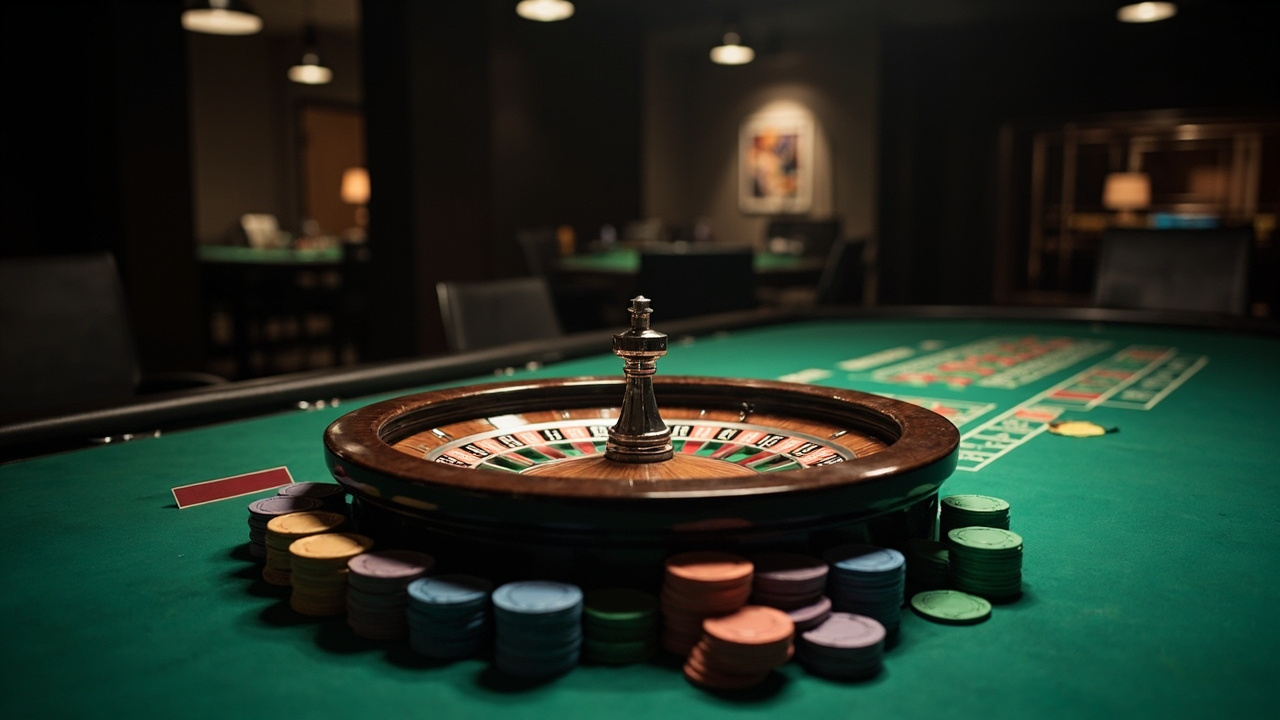
Every pokie ad on the Gold Coast strip promises life-changing wins, but the maths behind every spin stays deliberately fuzzy. Casino probability explained properly is a different beast – it strips back the marketing gloss and shows the real relationship between bets, payouts, and time. Understanding the numbers doesn’t kill the fun; it sharpens it, helping you spot which games give you a fairer crack and which ones bleed your bankroll faster than a flat white disappears at Broadbeach on a Saturday arvo.
What Casino Probability Actually Means

Probability in a casino context measures how often an outcome happens across many trials. A coin lands heads 50% of the time, a European roulette wheel hits red near 48.6%, and a 95% RTP pokie returns $95 for every $100 wagered over its lifetime. The catch is “eventually” – over millions of spins, not the fifty you get on a Friday night out. The framework https://ozwinbonus.org/ demonstrates turns those textbook numbers into something a casual punter can use.
Two mates at a café near Surfers Paradise, putting the world to rights over their flat whites. “Reckon this new pokie’s a ripper?” Jarrah asks. “Nah, mate. The RTP sits at 92%. Long-term, that’s a money pit,” Dazza replies. “So what do you play?” “The 96.5% one. Still enjoy the punt, just with a fairer crack.” That quick read of the maths is what probability literacy looks like.
In fifteen years of running campaigns across twenty-plus markets, I’ve watched operators spend eye-watering sums dressing up poor odds with every colour of marketing trick. The serious ones lead with transparency. The dodgy ones hide behind vague “exciting gameplay” language. Reading actual probabilities is the fastest way to tell which category you are dealing with.
Casino probability explained properly also separates short-term from long-term. A single session can swing wildly either way, but the maths always reasserts itself over thousands of hands. Recognising that gap between a lucky streak and a game’s true profile keeps expectations honest and bankrolls intact.
The Math That Matters – RTP, House Edge and Variance
Three numbers do most of the heavy lifting: Return to Player (RTP), house edge, and variance. RTP is the percentage of all wagered money a game pays back over its lifetime. House edge is 100 minus RTP, the casino’s cut. Variance describes how wildly payouts swing around that average.
Low variance games drip out small, frequent wins. High variance games starve you then drop a chunky payout. Neither is “better” – the right pick depends on bankroll, patience, and how long you can sit through dry spells. A quick arvo session and a multi-hour grind call for very different games, even at identical RTP.

Reading any game’s maths takes five steps:
- Open the info or help panel on the game.
- Find the RTP, usually listed in the paytable.
- Note the volatility rating, often low, medium, or high.
- Subtract RTP from 100 to get the house edge.
- Run a handful of demo spins to feel the variance.
That read takes three minutes and beats any promotional banner. Running teams of 120 across regulated markets taught me it is the single habit that separates casual players from those who genuinely understand what they are doing. The same instinct shows up in racing: race calling is a distinctive Australian broadcasting art form, and part of its appeal is how callers translate complex probabilities into language the crowd absorbs in seconds.
Putting the Numbers to Work in Real Play
Casino probability explained is only useful if it changes how you actually play. The first practical shift is budgeting: if a pokie carries a 4% house edge, expect to lose roughly $4 for every $100 wagered long-term. Sizing your session bank to absorb that expected loss, plus a buffer for variance, turns gambling from a panic-driven scramble into a measured entertainment spend. The maths will still bite eventually; at least the timing stays yours.
Game selection comes next. Two pokies with similar themes can sit at 92% and 97% RTP, and over an hour that 5% gap compounds faster than most players expect. Mixing blackjack, baccarat, or video poker alongside the reels lets you pick titles where the house edge is genuinely thin. Reading how specific mechanics change outcomes helps too, which is why plain-English pieces covering the cluster pays mechanic are worth a look before committing to a new release.
As a body of knowledge, this topic sits in a sweet spot. It is accessible enough for a first-timer, detailed enough for a seasoned punter, and grounded in verifiable maths rather than marketing spin. Everyday fit is strong: short reads, real numbers, no fluff. Gold Coast locals planning a session in Broadbeach benefit from the same disciplined prep as anyone else. Players treating gambling as paid entertainment and wanting decisions backed by evidence will get the most out of it. Anyone chasing a system to beat the house should look elsewhere – the maths, defo, will not be on their side.
Casino probability explained, in its honest form, rewards curiosity. The maths is not mysterious once you strip away the marketing language, and players who bother learning it tend to manage their bankrolls better, pick fairer games, and walk away on time. If that sounds like your kind of approach, start with the fundamentals. The numbers are waiting, and they tell a kinder story than the ads ever will.